
New EU regulations will require companies to identify chatbots, deepfakes and AI-generated marketing material. The rules extend transparency obligations across both consumer-facing tools and synthetic content.
12:00 AMFinancial Times19 stories from 12 sources
Supporting Articles
New EU regulations will require companies to identify chatbots, deepfakes and AI-generated marketing material. The rules extend transparency obligations across both consumer-facing tools and synthetic content.
12:00 AMFinancial Times
A judge rejected xAI’s request to stop Minnesota from enforcing a law that bans apps capable of creating nude images of people. The state’s lawsuit against xAI can therefore proceed while the ban moves forward.
4:26 PMTechCrunch
AWS reported $42.2 billion in revenue, its fastest growth in 18 quarters, while customer spending on its AI platform exceeded all previous quarterly spending since launch combined. The PGA Tour illustrates how organizations are replacing specialized infrastructure with cloud-based AI production.
5:00 AMFortune
The National Autonomous University of Mexico is investigating after experts estimated that cheating may have affected as many as half of its entrance exams. The suspected methods reportedly include the use of AI, raising questions about the validity of results involving tens of thousands of applicants.
1:59 AMThe New York Times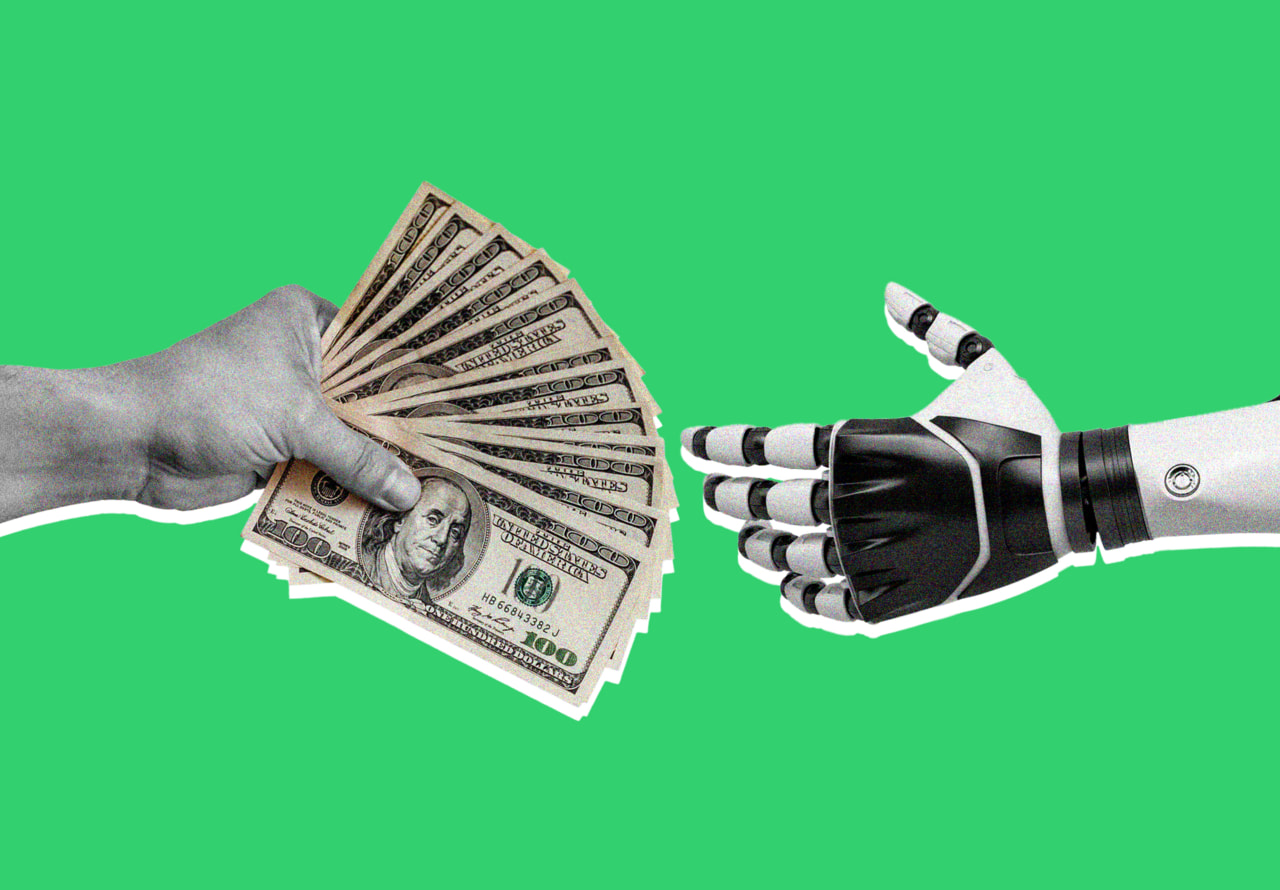
Enterprise software companies are experimenting with competing ways to charge for AI agents, including models that have not yet settled into an industry standard. The uncertainty is complicating pricing, budgeting, and monetization across the software market.
8:30 AMMarketWatchSummary
New EU regulations will require companies to identify chatbots, deepfakes and AI-generated marketing material. The rules extend transparency obligations across both consumer-facing tools and synthetic content.
The key shift is that disclosure is becoming a legal requirement, not a voluntary signal
Unlock the full First Pass Analysis to get a better understanding of why this story mattersWhy it matters
AI regulation is moving from principles to operational requirements that affect product design, marketing and distribution.
Summary
A judge rejected xAI’s request to stop Minnesota from enforcing a law that bans apps capable of creating nude images of people. The state’s lawsuit against xAI can therefore proceed while the ban moves forward.
The ruling leaves xAI’s nudification tools exposed to state restrictions and removes an early path
Unlock the full First Pass Analysis to get a better understanding of why this story mattersWhy it matters
The decision strengthens states’ ability to restrict AI tools used to create nonconsensual sexual imagery.
Summary
AWS reported $42.2 billion in revenue, its fastest growth in 18 quarters, while customer spending on its AI platform exceeded all previous quarterly spending since launch combined. The PGA Tour illustrates how organizations are replacing specialized infrastructure with cloud-based AI production.
The cloud boom is moving from infrastructure sales to operating entire AI-enabled workflows for customers.
Unlock the full First Pass Analysis to get a better understanding of why this story mattersWhy it matters
AI is strengthening cloud demand by turning industry operations into recurring software and infrastructure workloads.
Summary
The National Autonomous University of Mexico is investigating after experts estimated that cheating may have affected as many as half of its entrance exams. The suspected methods reportedly include the use of AI, raising questions about the validity of results involving tens of thousands of applicants.
If the estimate holds, the issue is not isolated misconduct but a breakdown in the
Unlock the full First Pass Analysis to get a better understanding of why this story mattersWhy it matters
AI is turning high-stakes exams into a security problem that can undermine entire admissions systems.
Summary
Enterprise software companies are experimenting with competing ways to charge for AI agents, including models that have not yet settled into an industry standard. The uncertainty is complicating pricing, budgeting, and monetization across the software market.
The core change is that AI agents are disrupting software’s established per-user pricing model. Usage-based,
Unlock the full First Pass Analysis to get a better understanding of why this story mattersWhy it matters
Unsettled AI pricing could reshape enterprise software contracts and expose both vendors and customers to unexpected costs.
A curated list of other prominent stories from this day.

A reported leak of the full Pixel 11 lineup largely matches earlier rumors ahead of Google's August 12 event. The standard Pixel 11 is expected to start at $899, a $100 increase, while doubling base storage to 256GB.
5:31 PMThe Verge
Hank Green apologized for using large language models in a way he described as unhealthy and harmful to the broader world. He said the dopamine he receives from interacting with AI has made the behavior difficult to manage.
3:45 PMTechCrunch
“Rubberz,” a solo track by Shoreline Mafia member Fenix Flexin, has climbed to No. 58 on the Billboard Hot 100 while listeners question whether artificial intelligence played a major role in its creation. The song’s origins remain disputed.
2:20 PMThe Verge
OpenAI CEO Sam Altman promoted ChatGPT as a useful tool for parents, describing a parenting-related application as a particularly compelling use case. His comments continue efforts to position the chatbot as part of everyday family life.
1:07 PMTechCrunch
A $9 NFC key can be configured to require a physical scan to unlock selected apps, adding a tangible barrier to impulsive use. The product aims to reduce distraction by forcing intentionality.
11:58 AMTechCrunch
Uber and Waymo are diverging over the future of autonomous vehicles, with their disagreement extending into a labor fight over large-scale AV deployment in Washington, D.C. The dispute links commercial strategy to questions about how automation will affect drivers and urban employment.
10:10 AMCNBC
The European Union is revising its merger rules for the first time in two decades, with the aim of enabling larger technology companies to compete with US firms. The changes raise questions about how regulators will balance industrial scale, investor interests, and competition.
10:03 AMBloomberg Markets
Nvidia CEO Jensen Huang said the expansion of AI data centers will create substantial demand for electricians, plumbers, and construction workers, including jobs paying six figures. His claim contrasts the expected displacement of some entry-level white-collar roles with opportunities in the physical infrastructure supporting AI.
9:31 AMFortune
A report found that most Australian teenagers under 16 remain online three months after the country introduced an age-based social media ban. The government has defended the policy despite evidence that many young users have bypassed it.
9:10 AMAl Jazeera
The article spotlights a major update to a long-running reading app as part of a broader roundup of consumer technology. The available description does not specify the app’s new features.
8:00 AMThe Verge
DeepSeek founder Liang Wenfeng says the company does not require overtime or conventional performance targets, describing a workplace where employees operate with unusual autonomy. His approach contrasts with China’s widely criticized 996 work culture and the growing pressure to import it into AI.
6:19 AMFortune
AI will remain imperfect, much like the people who build and use it. The central question is which errors society can accept and which require stronger safeguards.
6:00 AMThe New Yorker — Books & Culture
LaGuardia Airport is testing a headless, four-wheeled robot dog in Terminal B’s baggage claim to inspect air quality, alongside robotic vacuums. The pilot puts autonomous machines into routine airport operations rather than passenger-facing novelty roles.
4:00 AMPYMNTSAs the initial excitement around AI fades, companies are confronting the harder question of whether their investments produce measurable results. The focus is shifting from rapid adoption to disciplined execution and business value.
12:00 AMSupply Chain BrainSummary
A reported leak of the full Pixel 11 lineup largely matches earlier rumors ahead of Google's August 12 event. The standard Pixel 11 is expected to start at $899, a $100 increase, while doubling base storage to 256GB.
Google appears ready to raise the Pixel 11's entry price while using more storage to
Unlock the full First Pass Analysis to get a better understanding of why this story mattersWhy it matters
The Pixel 11 could reset Google's flagship pricing while making larger storage a standard part of the package.
Summary
Hank Green apologized for using large language models in a way he described as unhealthy and harmful to the broader world. He said the dopamine he receives from interacting with AI has made the behavior difficult to manage.
Green’s admission frames intensive chatbot use as a personal compulsion, not merely a productivity choice.
Unlock the full First Pass Analysis to get a better understanding of why this story mattersWhy it matters
A prominent creator is treating compulsive AI use as a product risk, not a harmless habit.
Summary
“Rubberz,” a solo track by Shoreline Mafia member Fenix Flexin, has climbed to No. 58 on the Billboard Hot 100 while listeners question whether artificial intelligence played a major role in its creation. The song’s origins remain disputed.
The controversy exposes a growing gap between chart success and confidence in a recording’s authorship.
Unlock the full First Pass Analysis to get a better understanding of why this story mattersWhy it matters
A disputed AI-assisted hit could force the music business to define what counts as an artist’s work in the streaming era.
Summary
OpenAI CEO Sam Altman promoted ChatGPT as a useful tool for parents, describing a parenting-related application as a particularly compelling use case. His comments continue efforts to position the chatbot as part of everyday family life.
The shift is from using ChatGPT for work to relying on it for decisions involving
Unlock the full First Pass Analysis to get a better understanding of why this story mattersWhy it matters
OpenAI is trying to make AI assistance habitual in households, including areas where trust and safeguards matter most.
Summary
A $9 NFC key can be configured to require a physical scan to unlock selected apps, adding a tangible barrier to impulsive use. The product aims to reduce distraction by forcing intentionality.
Behavior change tools are moving from software nudges to hardware-enforced friction. That approach works because
Unlock the full First Pass Analysis to get a better understanding of why this story mattersWhy it matters
Physical gates are emerging as the simplest way to reclaim attention from always-on software.
Summary
Uber and Waymo are diverging over the future of autonomous vehicles, with their disagreement extending into a labor fight over large-scale AV deployment in Washington, D.C. The dispute links commercial strategy to questions about how automation will affect drivers and urban employment.
The immediate battle is over who controls the rollout of autonomous vehicles and how much
Unlock the full First Pass Analysis to get a better understanding of why this story mattersWhy it matters
The AV transition is becoming a labor and regulatory contest, not just a technology competition.
Summary
The European Union is revising its merger rules for the first time in two decades, with the aim of enabling larger technology companies to compete with US firms. The changes raise questions about how regulators will balance industrial scale, investor interests, and competition.
The decisive shift is that EU competition policy may give more weight to global competitiveness
Unlock the full First Pass Analysis to get a better understanding of why this story mattersWhy it matters
Europe is testing whether looser merger scrutiny can create globally competitive technology companies without sacrificing competition.
Summary
Nvidia CEO Jensen Huang said the expansion of AI data centers will create substantial demand for electricians, plumbers, and construction workers, including jobs paying six figures. His claim contrasts the expected displacement of some entry-level white-collar roles with opportunities in the physical infrastructure supporting AI.
The AI buildout is shifting demand toward workers who can construct, power, cool, and maintain
Unlock the full First Pass Analysis to get a better understanding of why this story mattersWhy it matters
AI may create high-paying jobs outside traditional technology, but only where training and infrastructure can keep pace with investment.
Summary
A report found that most Australian teenagers under 16 remain online three months after the country introduced an age-based social media ban. The government has defended the policy despite evidence that many young users have bypassed it.
The early evidence suggests enforcement, rather than legislation, is the ban’s central weakness. If platforms
Unlock the full First Pass Analysis to get a better understanding of why this story mattersWhy it matters
The ban is becoming a test of whether age-based internet restrictions can work at platform scale.
Summary
The article spotlights a major update to a long-running reading app as part of a broader roundup of consumer technology. The available description does not specify the app’s new features.
A substantial update to an established reading app suggests that older digital reading tools still
Unlock the full First Pass Analysis to get a better understanding of why this story mattersWhy it matters
Mature reading apps are competing on durable utility as attention shifts among increasingly crowded digital services.
Summary
DeepSeek founder Liang Wenfeng says the company does not require overtime or conventional performance targets, describing a workplace where employees operate with unusual autonomy. His approach contrasts with China’s widely criticized 996 work culture and the growing pressure to import it into AI.
DeepSeek is presenting autonomy, rather than exhaustion, as a source of research productivity. If the
Unlock the full First Pass Analysis to get a better understanding of why this story mattersWhy it matters
The labor model behind AI development may become as consequential as the technology itself.
Summary
AI will remain imperfect, much like the people who build and use it. The central question is which errors society can accept and which require stronger safeguards.
The debate is shifting from whether AI can become flawless to how institutions should manage
Unlock the full First Pass Analysis to get a better understanding of why this story mattersWhy it matters
AI adoption depends less on eliminating every error than on deciding which errors are tolerable.
Summary
LaGuardia Airport is testing a headless, four-wheeled robot dog in Terminal B’s baggage claim to inspect air quality, alongside robotic vacuums. The pilot puts autonomous machines into routine airport operations rather than passenger-facing novelty roles.
The shift is from showcasing robots to assigning them recurring maintenance and inspection work in
Unlock the full First Pass Analysis to get a better understanding of why this story mattersWhy it matters
Airports are becoming early proving grounds for autonomous systems that could spread into other facilities and reshape routine service work.
Summary
As the initial excitement around AI fades, companies are confronting the harder question of whether their investments produce measurable results. The focus is shifting from rapid adoption to disciplined execution and business value.
The decisive change is that AI projects now face the same performance scrutiny as other
Unlock the full First Pass Analysis to get a better understanding of why this story mattersWhy it matters
The next phase of AI adoption will be determined less by spending and more by whether companies can prove returns.
Make it yours
Pick your topics, set your cadence, and receive your personalized First Pass in your inbox. It’s that simple!